
Key issues
The RSPCA advocates for the welfare of animals across a number of industries, issues and platforms. Help from our supporters is important to progress change. Working together is key.
Go to Key issues

News
Here you'll find the latest news relating to the RSPCA's vital work, press releases on national events, education on animal welfare issues, animal welfare science updates and our very own podcast covering a range of current topics.
Go to News
Blog
- Top reasons why adopting an animal can be a wonderful choice 11 Mar 2026
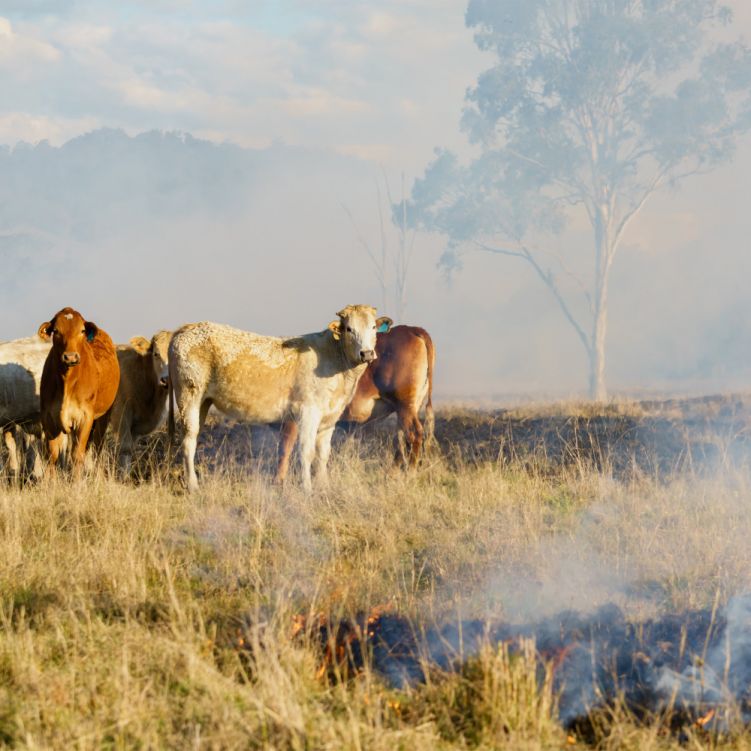
- Caring for animals in bushfire season 20 Feb 2026
- Don’t forget small companion animals during hot weather! 17 Dec 2025
- When wellness meets welfare: the hidden cost of puppy yoga 10 Dec 2025
- From snout to tail, there’s more to pigs than meets the eye 11 Nov 2025
- Habitat Lost, Future at Risk: What’s Threatening Koalas Today? 23 Oct 2025
- The importance of a safe and stimulating environment for cats 9 Oct 2025
- Providing an optimal life for your companion animal 8 Oct 2025
Media centre
- BREAKING: City and country unite in concern about greyhound racing 30 Mar 2026
- Rodeo calves exhibit “red flag” fear and stress behaviours prior to entering arena – new study 16 Mar 2026
- RSPCA Certified: New branding for RSPCA Australia’s most trusted farm animal welfare program and benefits to animals 3 Mar 2026
- One hundred reasons to adopt a pet from the RSPCA during National Pet Adoption Month 1 Mar 2026
- Pre-eminent Sybil Emslie Animal Law Scholarship recipient announced 19 Nov 2025
- RSPCA selects new partner to deliver RSPCA Pet Insurance 1 Sep 2025
Podcast
- Season 4, Episode 10: Greyhound racing 16 Dec 2025
- Season 4, Episode 9: Cat management 3 Jul 2025
- Season 4, Episode 8: Stories from the RSPCA Inspectorate 26 Jun 2025
- Season 4, Episode 7: Animals used in research 19 Jun 2025
- Season 4, Episode 6: Preventing dog bite incidents 12 Jun 2025
- Season 4, Episode 5: Animals caught in domestic violence 5 Jun 2025

RSPCA welcomes inclusion of mandatory video surveillance in updated Animal Welfare Certification System
Support us
Whether you're an individual or a business, there are multiple ways you can support the RSPCA
Go to Support us

Donate now to support your local RSPCA and make a difference to animal welfare across Australia
Learn
The RSPCA aims to make evidence-based research accessible to the community, so that they can have confidence in the choices made when it comes to animal welfare.
Go to Learn
About
The RSPCA is an independent, community-based charity providing animal care and protection services across the country.
Go to About

Adopt
By choosing adoption, you’ll not only have the chance to make a friend for life, but you’ll be giving an animal a second chance and helping support the RSPCA.
Go to Adopt

Pet Insurance
Helping you support your pet, and animals in need, through a new strategic partnership.
Go to Pet Insurance

-
-
- Top reasons why adopting an animal can be a wonderful choice 11 Mar 2026
- Caring for animals in bushfire season 20 Feb 2026
- Don’t forget small companion animals during hot weather! 17 Dec 2025
- When wellness meets welfare: the hidden cost of puppy yoga 10 Dec 2025
- From snout to tail, there’s more to pigs than meets the eye 11 Nov 2025
- Habitat Lost, Future at Risk: What’s Threatening Koalas Today? 23 Oct 2025
- The importance of a safe and stimulating environment for cats 9 Oct 2025
- Providing an optimal life for your companion animal 8 Oct 2025
-
- BREAKING: City and country unite in concern about greyhound racing 30 Mar 2026
- Rodeo calves exhibit “red flag” fear and stress behaviours prior to entering arena – new study 16 Mar 2026
- RSPCA Certified: New branding for RSPCA Australia’s most trusted farm animal welfare program and benefits to animals 3 Mar 2026
- One hundred reasons to adopt a pet from the RSPCA during National Pet Adoption Month 1 Mar 2026
- Pre-eminent Sybil Emslie Animal Law Scholarship recipient announced 19 Nov 2025
- RSPCA selects new partner to deliver RSPCA Pet Insurance 1 Sep 2025
-
- Season 4, Episode 10: Greyhound racing 16 Dec 2025
- Season 4, Episode 9: Cat management 3 Jul 2025
- Season 4, Episode 8: Stories from the RSPCA Inspectorate 26 Jun 2025
- Season 4, Episode 7: Animals used in research 19 Jun 2025
- Season 4, Episode 6: Preventing dog bite incidents 12 Jun 2025
- Season 4, Episode 5: Animals caught in domestic violence 5 Jun 2025
-
-