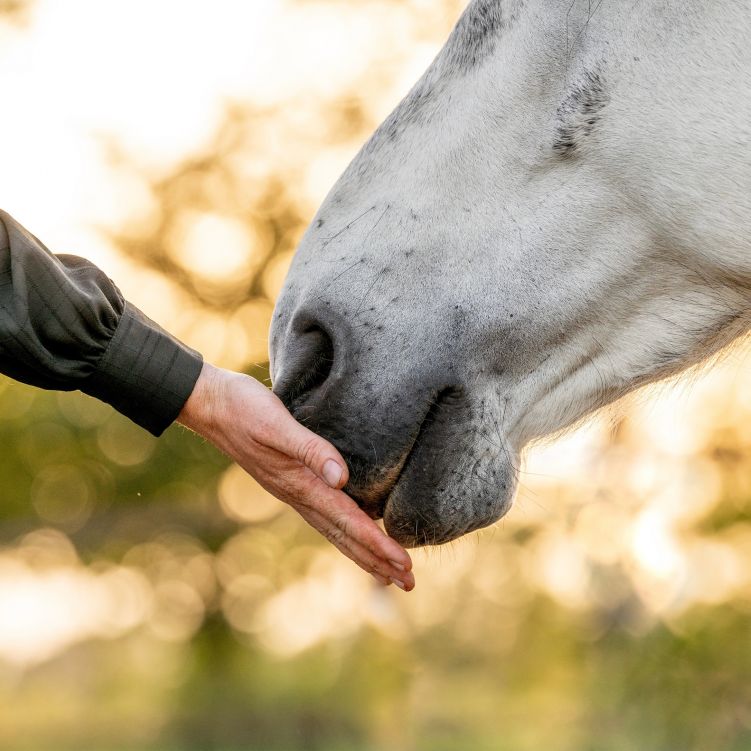

Key issues
The RSPCA advocates for the welfare of animals across a number of industries, issues and platforms. Help from our supporters is important to progress change. Working together is key.
Go to Key issues

News
Here you'll find the latest news relating to the RSPCA's vital work, press releases on national events, education on animal welfare issues, animal welfare science updates and our very own podcast covering a range of current topics.
Go to News
Blog
- New Zealand’s greyhound racing ban is progress. Now greyhounds need a secure future 22 Sep 2026
- A deep dive into meat chicken welfare 8 Sep 2026
- The RSPCA has a new Standard for meat chickens; here’s everything you need to know 8 Sep 2026
- What does bird flu mean for pets? 31 Aug 2026
- Hitting the road with your dog: how to prepare for a safe and stress-free trip 28 Aug 2026
- Animal welfare trends that should always be in style 26 Aug 2026
- Pets are family too; it’s time our housing systems caught up 20 Aug 2026
- Wildlife photography: capturing nature without causing harm 21 Jul 2026
- Sybil Emslie – a life devoted to animals 10 Jul 2026
Media centre
- Trick-or-treat trouble: The hidden Halloween hazards for animals 20 Oct 2026
- Give to Get Them Home: 24 hours to double the help for animals in need 1 Oct 2026
- Applications open for 2026 Sybil Emslie Animal Law Scholarship 12 Jun 2026
- Australians support keeping pets and owners together in times of crisis 8 May 2026
- BREAKING: City and country united in concern about greyhound racing 30 Mar 2026
- Rodeo calves exhibit “red flag” fear and stress behaviours prior to entering arena – new study 16 Mar 2026
- RSPCA Certified: New branding for RSPCA Australia’s most trusted farm animal welfare program and benefits to animals 3 Mar 2026
- One hundred reasons to adopt a pet from the RSPCA during National Pet Adoption Month 1 Mar 2026
Podcast
- Season 5, Episode 10: Let’s talk horse welfare 15 Oct 2026
- Season 5, Episode 9: A catch up with RSPCA ambassador Peter Alexander 28 Sep 2026
- Season 5, Episode 8: Rodeos; A cruel spectacle 17 Sep 2026
- Season 5, Episode 7: Looking beyond the label, the key welfare issues impacting meat chickens 3 Sep 2026
- Season 5, Episode 6: What to know about pet insurance - decoding the fine print 6 Aug 2026
- Season 5, Episode 5: When disaster strikes, with Vets for Compassion 23 Jul 2026
- Season 5, Episode 4: Shark Nets and Shark Safety 6 Jul 2026
- Season 5, Episode 3: Animals and Sentience 1 Jul 2026
- Season 5, Episode 2: Animals on Social Media 28 May 2026

RSPCA welcomes inclusion of mandatory video surveillance in updated Animal Welfare Certification System
Support us
Whether you're an individual or a business, there are multiple ways you can support the RSPCA
Go to Support us

Donate now to support your local RSPCA and make a difference to animal welfare across Australia
Learn
The RSPCA aims to make evidence-based research accessible to the community, so that they can have confidence in the choices made when it comes to animal welfare.
Go to Learn
About
The RSPCA is an independent, community-based charity providing animal care and protection services across the country.
Go to About

Adopt
By choosing adoption, you’ll not only have the chance to make a friend for life, but you’ll be giving an animal a second chance and helping support the RSPCA.
Go to Adopt

Pet Insurance
Helping you support your pet, and animals in need, through a new strategic partnership.
Go to Pet Insurance

-
-
-
- New Zealand’s greyhound racing ban is progress. Now greyhounds need a secure future 22 Sep 2026
- A deep dive into meat chicken welfare 8 Sep 2026
- The RSPCA has a new Standard for meat chickens; here’s everything you need to know 8 Sep 2026
- What does bird flu mean for pets? 31 Aug 2026
- Hitting the road with your dog: how to prepare for a safe and stress-free trip 28 Aug 2026
- Animal welfare trends that should always be in style 26 Aug 2026
- Pets are family too; it’s time our housing systems caught up 20 Aug 2026
- Wildlife photography: capturing nature without causing harm 21 Jul 2026
- Sybil Emslie – a life devoted to animals 10 Jul 2026
-
- Trick-or-treat trouble: The hidden Halloween hazards for animals 20 Oct 2026
- Give to Get Them Home: 24 hours to double the help for animals in need 1 Oct 2026
- Applications open for 2026 Sybil Emslie Animal Law Scholarship 12 Jun 2026
- Australians support keeping pets and owners together in times of crisis 8 May 2026
- BREAKING: City and country united in concern about greyhound racing 30 Mar 2026
- Rodeo calves exhibit “red flag” fear and stress behaviours prior to entering arena – new study 16 Mar 2026
- RSPCA Certified: New branding for RSPCA Australia’s most trusted farm animal welfare program and benefits to animals 3 Mar 2026
- One hundred reasons to adopt a pet from the RSPCA during National Pet Adoption Month 1 Mar 2026
-
- Season 5, Episode 10: Let’s talk horse welfare 15 Oct 2026
- Season 5, Episode 9: A catch up with RSPCA ambassador Peter Alexander 28 Sep 2026
- Season 5, Episode 8: Rodeos; A cruel spectacle 17 Sep 2026
- Season 5, Episode 7: Looking beyond the label, the key welfare issues impacting meat chickens 3 Sep 2026
- Season 5, Episode 6: What to know about pet insurance - decoding the fine print 6 Aug 2026
- Season 5, Episode 5: When disaster strikes, with Vets for Compassion 23 Jul 2026
- Season 5, Episode 4: Shark Nets and Shark Safety 6 Jul 2026
- Season 5, Episode 3: Animals and Sentience 1 Jul 2026
- Season 5, Episode 2: Animals on Social Media 28 May 2026
-
-