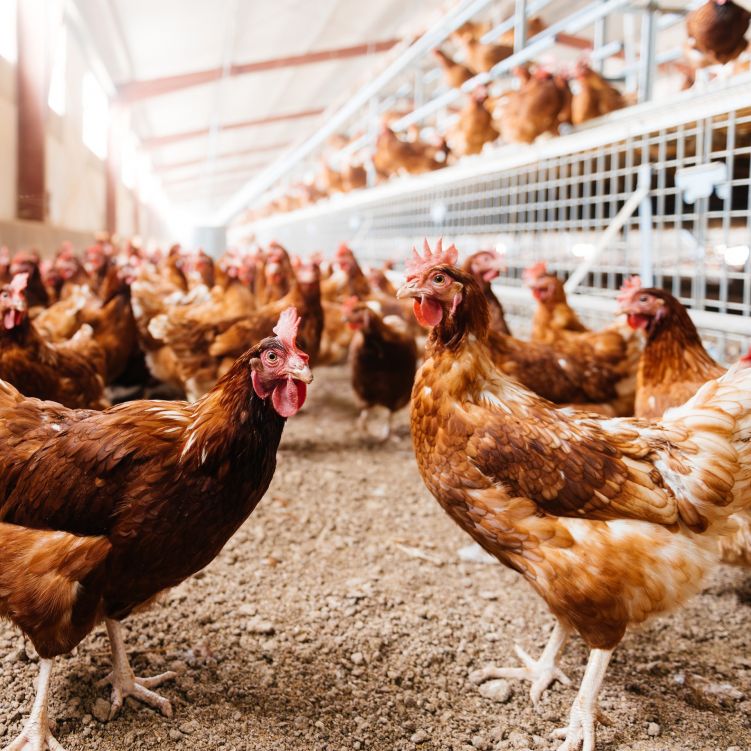
Key issues
The RSPCA advocates for the welfare of animals across a number of industries, issues and platforms. Help from our supporters is important to progress change. Working together is key.
Go to Key issues

News
Here you'll find the latest news relating to the RSPCA's vital work, press releases on national events, education on animal welfare issues, animal welfare science updates and our very own podcast covering a range of current topics.
Go to News
Blog
- Not free range, not cage: Where do barn-laid eggs fit? 24 Nov 2026
- Petting zoos: what does the experience feel like for the animals? 16 Nov 2026
- Egg labels explained: What matters for layer hen welfare 5 Nov 2026
- What to know about slower-growing (or higher welfare) meat chicken breeds 30 Oct 2026
- The deadly ripple effect of rat poisons 27 Oct 2026
- New Zealand’s greyhound racing ban is progress. Now greyhounds need a secure future 22 Sep 2026
- A deep dive into meat chicken welfare 8 Sep 2026
- The RSPCA has a new Standard for meat chickens; here’s everything you need to know 8 Sep 2026
- What does bird flu mean for pets? 31 Aug 2026
Media centre
- Queenslander Jack De Lange named Petbarn Foundation’s Pet Foster Carer of the Year 18 Nov 2026
- RSPCA Australia welcomes updated Australian Animal Welfare Strategy, encourages public to engage in consultation 6 Nov 2026
- RSPCA Sybil Emslie Animal Law Scholarship awarded to Canberran Naaman Kranz 23 Oct 2026
- Trick-or-treat trouble: The hidden Halloween hazards for animals 20 Oct 2026
- Give to Get Them Home: 24 hours to double the help for animals in need 1 Oct 2026
- Applications open for 2026 Sybil Emslie Animal Law Scholarship 12 Jun 2026
- Australians support keeping pets and owners together in times of crisis 8 May 2026
- BREAKING: City and country united in concern about greyhound racing 30 Mar 2026
Podcast
- Season 5, Episode 11: The protection gap: understanding animal welfare law 29 Oct 2026
- Season 5, Episode 10: Let’s talk horse welfare 15 Oct 2026
- Season 5, Episode 9: A catch up with RSPCA ambassador Peter Alexander 28 Sep 2026
- Season 5, Episode 8: Rodeos; A cruel spectacle 17 Sep 2026
- Season 5, Episode 7: Looking beyond the label, the key welfare issues impacting meat chickens 3 Sep 2026
- Season 5, Episode 6: What to know about pet insurance - decoding the fine print 6 Aug 2026
- Season 5, Episode 5: When disaster strikes, with Vets for Compassion 23 Jul 2026
- Season 5, Episode 4: Shark Nets and Shark Safety 6 Jul 2026
- Season 5, Episode 3: Animals and Sentience 1 Jul 2026

RSPCA welcomes inclusion of mandatory video surveillance in updated Animal Welfare Certification System
Support us
Whether you're an individual or a business, there are multiple ways you can support the RSPCA
Go to Support us

Donate now to support your local RSPCA and make a difference to animal welfare across Australia
Learn
The RSPCA aims to make evidence-based research accessible to the community, so that they can have confidence in the choices made when it comes to animal welfare.
Go to Learn
About
The RSPCA is an independent, community-based charity providing animal care and protection services across the country.
Go to About

Adopt
By choosing adoption, you’ll not only have the chance to make a friend for life, but you’ll be giving an animal a second chance and helping support the RSPCA.
Go to Adopt

Pet Insurance
Helping you support your pet, and animals in need, through a new strategic partnership.
Go to Pet Insurance

-
-
-
- Not free range, not cage: Where do barn-laid eggs fit? 24 Nov 2026
- Petting zoos: what does the experience feel like for the animals? 16 Nov 2026
- Egg labels explained: What matters for layer hen welfare 5 Nov 2026
- What to know about slower-growing (or higher welfare) meat chicken breeds 30 Oct 2026
- The deadly ripple effect of rat poisons 27 Oct 2026
- New Zealand’s greyhound racing ban is progress. Now greyhounds need a secure future 22 Sep 2026
- A deep dive into meat chicken welfare 8 Sep 2026
- The RSPCA has a new Standard for meat chickens; here’s everything you need to know 8 Sep 2026
- What does bird flu mean for pets? 31 Aug 2026
-
- Queenslander Jack De Lange named Petbarn Foundation’s Pet Foster Carer of the Year 18 Nov 2026
- RSPCA Australia welcomes updated Australian Animal Welfare Strategy, encourages public to engage in consultation 6 Nov 2026
- RSPCA Sybil Emslie Animal Law Scholarship awarded to Canberran Naaman Kranz 23 Oct 2026
- Trick-or-treat trouble: The hidden Halloween hazards for animals 20 Oct 2026
- Give to Get Them Home: 24 hours to double the help for animals in need 1 Oct 2026
- Applications open for 2026 Sybil Emslie Animal Law Scholarship 12 Jun 2026
- Australians support keeping pets and owners together in times of crisis 8 May 2026
- BREAKING: City and country united in concern about greyhound racing 30 Mar 2026
-
- Season 5, Episode 11: The protection gap: understanding animal welfare law 29 Oct 2026
- Season 5, Episode 10: Let’s talk horse welfare 15 Oct 2026
- Season 5, Episode 9: A catch up with RSPCA ambassador Peter Alexander 28 Sep 2026
- Season 5, Episode 8: Rodeos; A cruel spectacle 17 Sep 2026
- Season 5, Episode 7: Looking beyond the label, the key welfare issues impacting meat chickens 3 Sep 2026
- Season 5, Episode 6: What to know about pet insurance - decoding the fine print 6 Aug 2026
- Season 5, Episode 5: When disaster strikes, with Vets for Compassion 23 Jul 2026
- Season 5, Episode 4: Shark Nets and Shark Safety 6 Jul 2026
- Season 5, Episode 3: Animals and Sentience 1 Jul 2026
-
-